GUIDE · DIAMONDS
A laboratory-grown diamond is a real diamond: it has the same chemical composition and the same physical and optical properties as a natural diamond. What changes is the origin and the price.
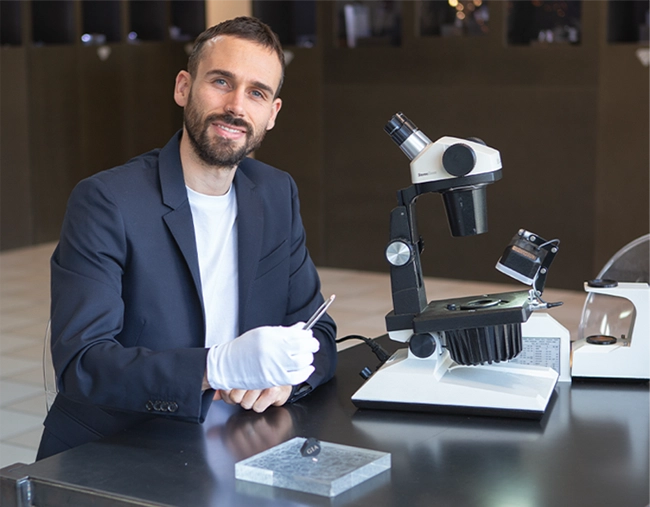
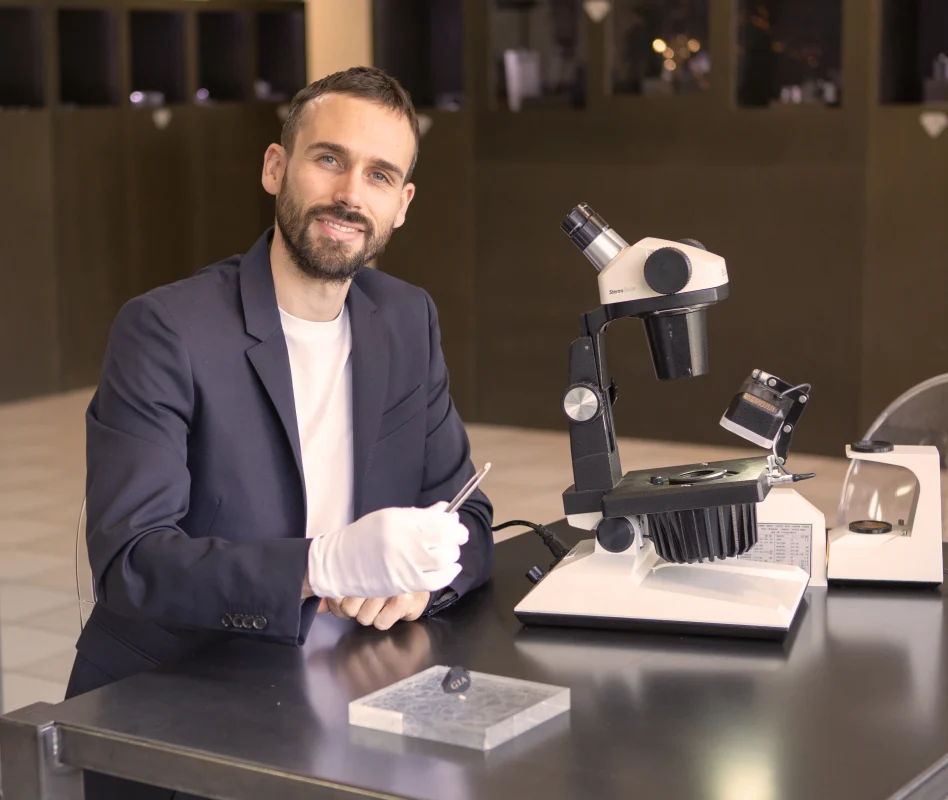
Vanni Pesciallo, a GIA-trained gemmologist, explains it with the diamonds we work with every day in our atelier.
HOW THEY FORM
Natural diamonds formed deep inside the Earth, most of them between one and three and a half billion years ago.
Lab-grown diamonds grow in a few weeks, with two methods: high pressure and high temperature (HPHT) or chemical vapour deposition (CVD).
HOW TO TELL THEM APART
To the naked eye, and even with a loupe, a lab-grown and a natural diamond cannot be told apart: it takes the instruments of a gemmological laboratory.
That is why each of our diamonds comes with a GIA or IGI certificate stating its origin.
The questions we are asked most often about natural and lab-grown diamonds. For prices, read the guide how much does an engagement ring cost.
THE DIFFERENCES
Yes: it is crystallised carbon like a natural diamond, with the same chemical, physical and optical properties.
Yes, it has the same hardness: 10 on the Mohs scale.
No, neither with the naked eye nor with a loupe: it takes laboratory instruments.
PRICES AND CERTIFICATES
With us, for a 0.50 ct solitaire: CHF 1’790 with a lab-grown diamond instead of CHF 3’590 with a natural diamond.
Every diamond comes with a GIA or IGI certificate stating its origin.
Yes, with reports dedicated to laboratory-grown diamonds.
CHOOSING
It depends on what matters most to you: a larger diamond for the same budget, or a diamond formed in nature. In the atelier we show them to you side by side.
Yes: our rings can be made with a natural or a lab-grown diamond.
In the atelier in Balerna or in the boutique in Locarno, by appointment. Or in an online consultation.

Metal, finish, size and diamonds: see them in 3D and know the price straight away.
Follow me on Instagram via the link below ↓ https://www.instagram.com/vannipesciallogioielli/



 White gold
 Yellow gold
 Rose gold
 Platinum
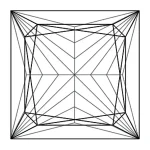 Princess
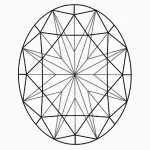 Oval
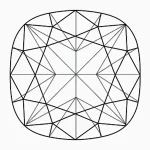 Cushion
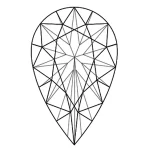 Pear
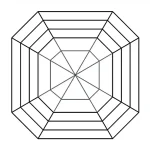 Asscher
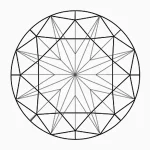 Round brilliant
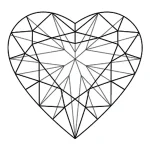 Heart
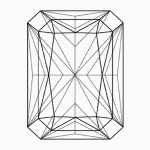 Emerald
 Diamond
 Black diamond
 Ruby
 Emerald
 Sapphire
 Coloured sapphires
 Yellow sapphire
 Pink sapphire
 Solitaire
 Pavé band
 Halo
 Trilogy
 Steel
 Carbon
 Tantalum