The 4Cs of diamonds: cut, colour, clarity and carat
GUIDE · DIAMONDS
The 4Cs of diamonds: cut, colour, clarity and carat
Every diamond is judged on four criteria: cut, colour, clarity and carat weight. They were created by GIA, the Gemological Institute of America, and are used today by laboratories and jewellers all over the world.
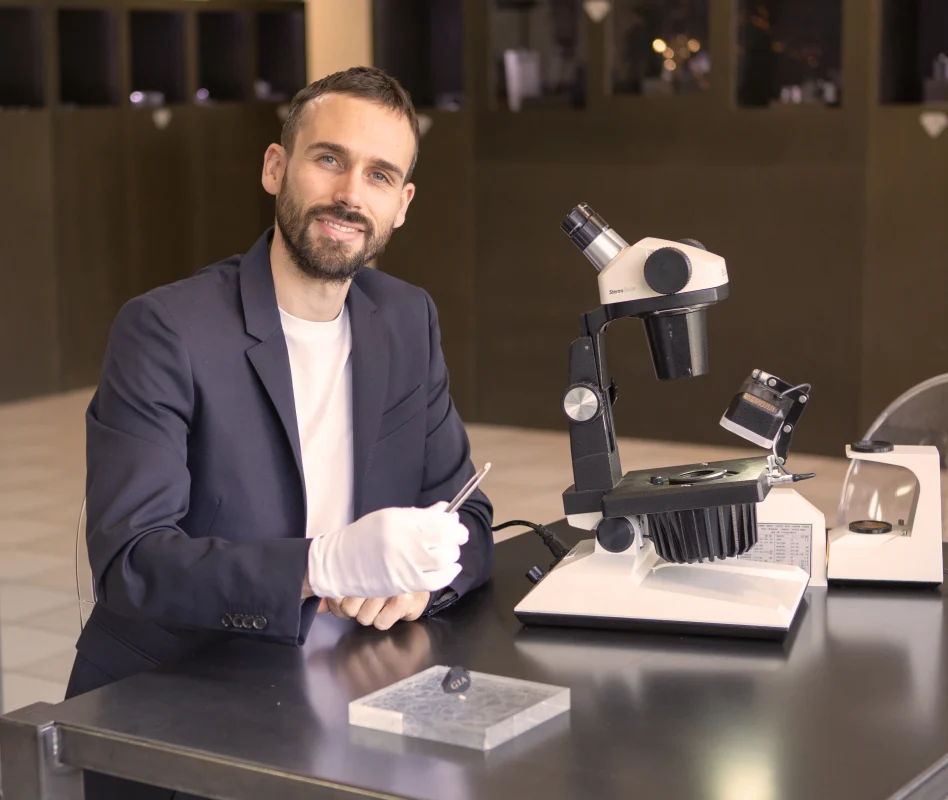
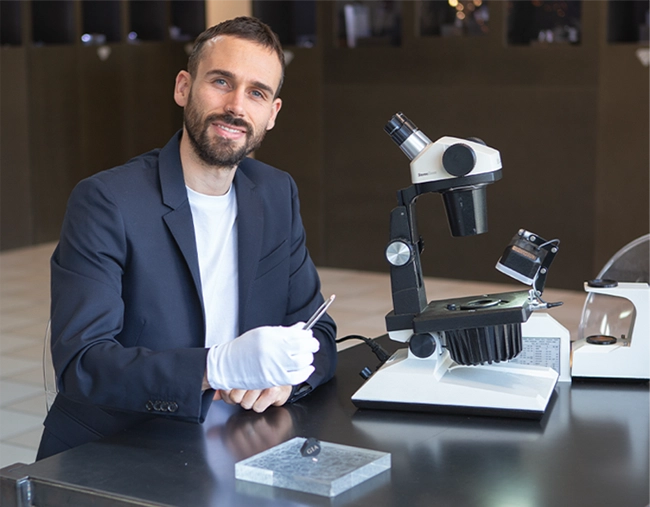
Vanni Pesciallo, a GIA-graduate gemmologist, explains them. Below you can try them out: choose a colour, a clarity grade and a weight, and see what changes.
The cut decides how much light returns to your eyes
A diamond has no light of its own: it sparkles because of how it is cut. The facets let light in, reflect it inside and send it back upwards. If the diamond is too shallow or too deep, part of the light escapes through the bottom and the diamond looks dull.
For the round brilliant, GIA gives a cut grade from Excellent to Poor.
Rays calculated with the refractive index of diamond (2.42), in a simplified profile with exaggerated proportions. Dashed line: light that is lost.
The whiter the diamond, the rarer it is
In 1953 GIA introduced the D-to-Z colour scale. D is colourless; towards Z the diamond takes on an increasingly visible yellow, brown or grey tint. Grades are assigned by comparing the diamond with master stones under controlled lighting.
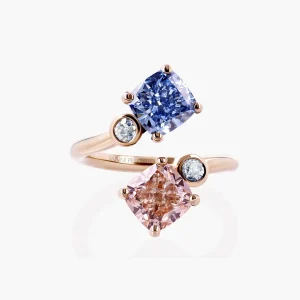
Pink, blue or other intensely coloured diamonds fall outside this scale: they are called fancy diamonds.
Groups and names from the GIA colour chart. The tint in the drawing is exaggerated so it shows on screen.
The diamond’s fingerprints
Almost every diamond is born with small inclusions inside and marks on the surface. GIA examines it at 10× magnification and gives it one of 11 grades, from Flawless to Included.
No two diamonds have the same inclusions in the same places, which is why they also help to identify it.
GIA definitions. The inclusions in the drawing are enlarged and indicative.
One carat weighs 200 milligrams
The carat measures weight, not size. One carat equals 200 milligrams and is divided into 100 points: a 0.50 carat diamond weighs 50 points.
Doubling the weight does not double what you see: the weight is spread across every dimension, and from above the diameter grows much less.
The view from above is calculated in proportion to the weight, for diamonds of the same cut. These are not measurements in millimetres.
Choose the shape, weight and origin: see the diamond and its price
An estimate for the diamond alone, natural or lab-grown, in the quality we use in our atelier. When you like it, send us your request: we will reply with the real stones available and their certificates.
Excellent polish and symmetry, no fluorescence, GIA, IGI or HRD certificate.
Your diamond
- Shape
- Brilliant
- Weight
- 1.00 ct
- Origin
- Lab-grown
- Quality
- D–F · FL–VVS2 · Excellent
- Estimate
- –
The estimate is for the diamond alone. For the complete ring, see our engagement rings.
“A diamond’s beauty depends on its cut more than on anything else.”GIA · GEMOLOGICAL INSTITUTE OF AMERICA
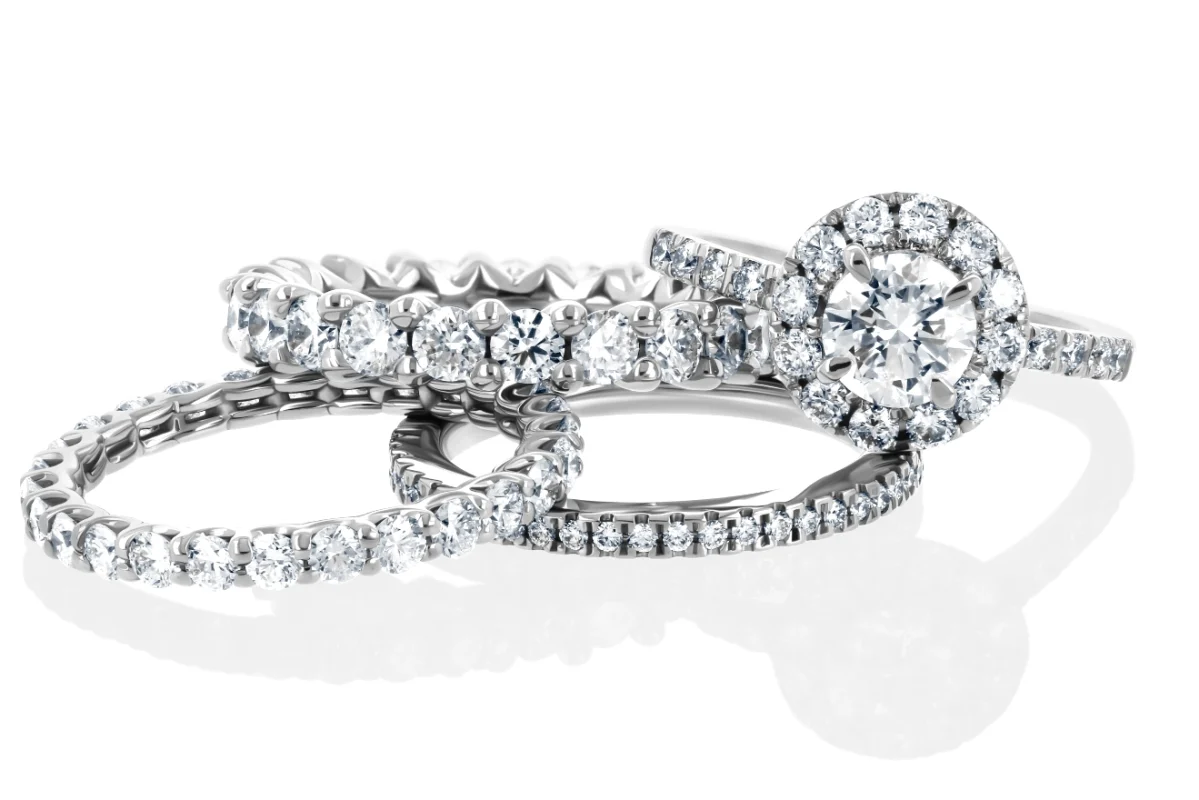
Diamond rings and bracelets
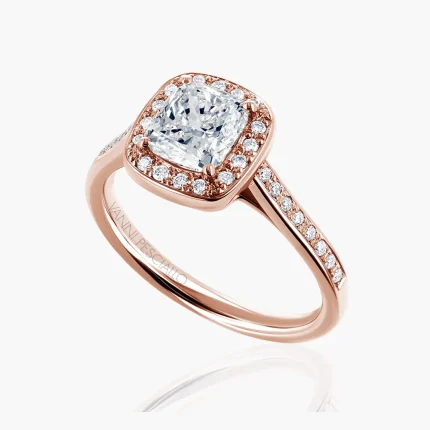
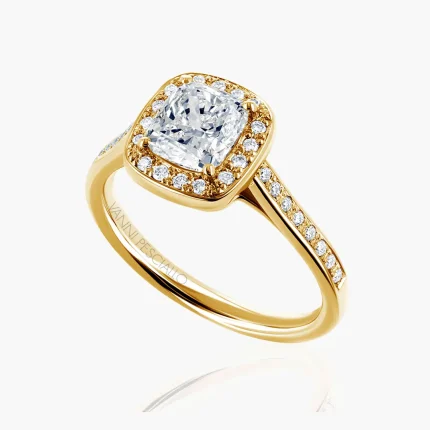
Aura
CHF 7’800 – CHF 29’000Price range: CHF 7’800 through CHF 29’000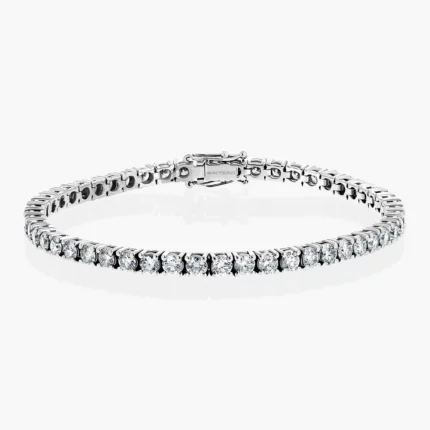
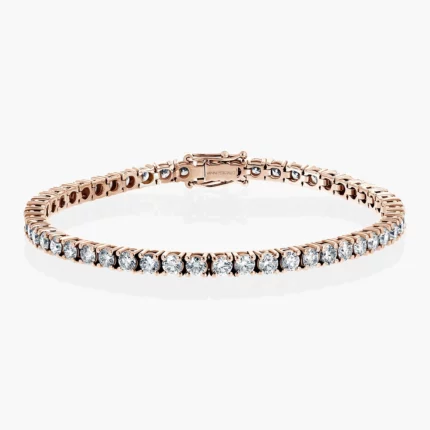
Classic Tennis
CHF 2’490 – CHF 30’530Price range: CHF 2’490 through CHF 30’530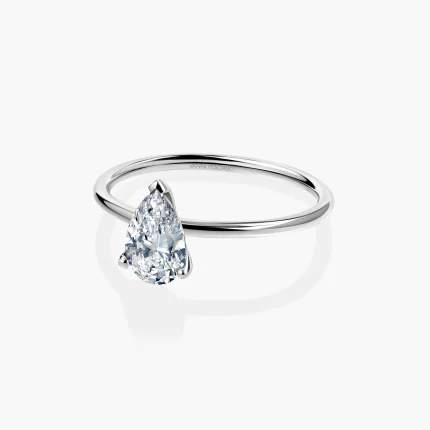
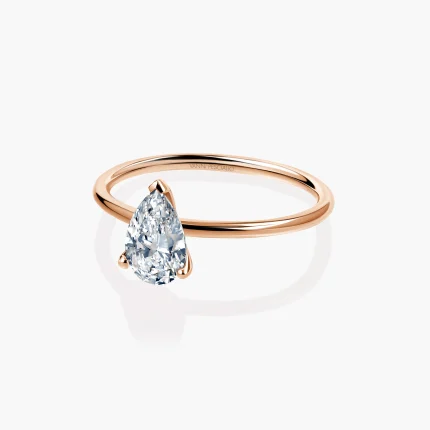
Voltige Solo, pear cut
CHF 2’200 – CHF 7’300Price range: CHF 2’200 through CHF 7’300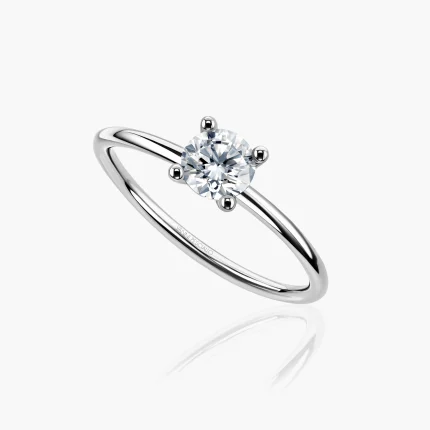
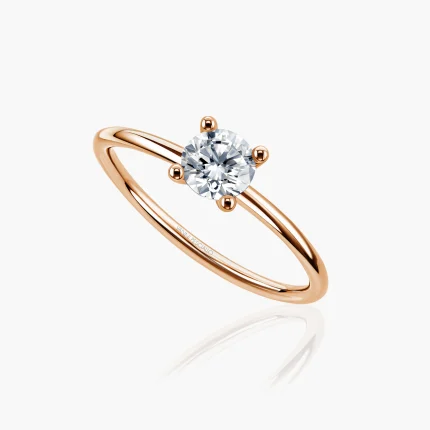
Voltige Solo, round brilliant cut
CHF 1’790 – CHF 3’590Price range: CHF 1’790 through CHF 3’590THE CERTIFICATE
The 4Cs in black and white
Every one of our diamonds has a GIA or IGI certificate stating its cut, colour, clarity and weight, and for lab-grown diamonds its origin too.
In the atelier we read it together and, as gemmologists, we check the diamond with our instruments before it becomes your ring.
The questions we are asked most often about the 4Cs. For prices, read our guide how much an engagement ring costs.
THE 4Cs
Who invented the 4Cs?
GIA, the Gemological Institute of America, founded by Robert M. Shipley. In 1953 GIA also introduced the D-to-Z colour scale.
Which of the 4Cs matters most?
For beauty, the cut: according to GIA it matters more than anything else. For the price, all four count together. In the atelier we balance them with you according to your budget.
What do VS and SI mean?
They are clarity grades. VS means the inclusions are minor, ranging from difficult to somewhat easy to see at 10× magnification. SI means a skilled grader notices them at 10× magnification.
How much does a carat weigh?
200 milligrams. It is divided into 100 points: a 25-point diamond weighs a quarter of a carat.
CERTIFICATES
What is a diamond certificate?
It is the document from a gemmological laboratory that states the diamond’s 4Cs. Every one of our diamonds has a GIA or IGI certificate.
Do the 4Cs apply to lab-grown diamonds too?
Yes: a lab-grown diamond is judged on the same criteria. The certificate also states its origin.
Can the certificate be checked?
Yes: we look at it together in the atelier and, as gemmologists, we check the diamond with our instruments.
CHOOSING
Where do you start?
With the shape and the budget. Then, in the atelier, we choose with you the right balance of cut, colour, clarity and carat.
Natural or lab-grown?
Our rings are made with either, and the 4Cs are read in the same way. We explain the differences in our guide to natural or lab-grown diamonds.
Where can I see them?
At the atelier in Balerna, Monday to Friday (Saturday on request), or at the boutique in Locarno, Wednesday to Saturday. Always by appointment.
 White gold
 Yellow gold
 Rose gold
 Platinum
 Princess
 Oval
 Cushion
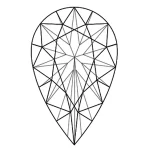 Pear
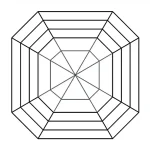 Asscher
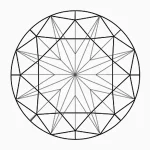 Round brilliant
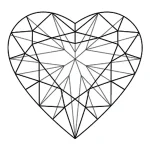 Heart
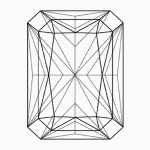 Emerald
 Diamond
 Black diamond
 Ruby
 Emerald
 Sapphire
 Coloured sapphires
 Yellow sapphire
 Pink sapphire
 Solitaire
 Pavé band
 Halo
 Trilogy
 Steel
 Carbon
 Tantalum